NCASC 2026 Reflections – The sector is ready for change. What's stopping us?
At last year's NCASC, we reflected on a sector beginning to think differently. This year in Liverpool, it felt as though the conversation had moved on. There was less time spent making the case for change and much more discussion about how we make it happen.
Another NCASC over, and once again, one of the highlights of my year. Despite the considerable pressures facing adult social care and children's services, I came away encouraged by the energy, ambition and willingness to challenge established ways of working.
Yet there remains a tension across both adult social care and SEND. Whilst councils are eager to improve services, uncertainty around national reform and ongoing financial pressures are making it increasingly difficult to move forward with confidence.
So, how do we create the conditions for meaningful change today, whilst preparing for the reforms of tomorrow?
Progress shouldn't have to wait for reform
One of the strongest messages from this year's conference was that local authorities already have considerable power to improve services.
Whilst Baroness Louise Casey highlighted the need for stronger national leadership in adult social care, Social Care Minister Alison McGovern encouraged local areas to build on what is already working.
In SEND, however, the challenge of managing the present whilst shaping the future remains particularly acute. Councils are being asked to invest in earlier intervention, strengthen mainstream inclusion, and develop new approaches to support, whilst continuing to meet existing statutory responsibilities.
The costs of transition are likely to arrive well before the financial benefits.
It was encouraging to hear how Salford for example, is already responding through stronger partnerships with schools, multidisciplinary working, and approaches that enable children to access support based on their needs, rather than waiting for a diagnosis.
From our own conversations with SEND leaders, there is certainly no shortage of ambition. But uncertainty about future arrangements risks delaying improvements that could make a real difference to children, young people, and families today.
Through our partnerships with local authorities, we are seeing how improvements to EHCP quality, funding consistency, and understanding population needs can help councils strengthen their services now, whilst building stronger foundations for reform.
We shouldn't lose sight of what can be achieved today because we are waiting to understand what tomorrow might look like.
Prevention needs a stronger evidence base
Prevention was once again a prominent theme at NCASC, but this year the conversation felt more focused on how we evidence its impact and make a compelling case for investment.
With so much resource already committed to meeting immediate needs, councils face the difficult task of investing in approaches that may take years to deliver their full benefits.
The growing emphasis on neighbourhood-based care offers an interesting example of how services could be organised differently.
Bringing care closer to communities could create opportunities to reduce travel time for care workers, strengthen local relationships, make better use of existing resources, and support people to remain independent.
But delivering this effectively requires a much clearer understanding of:
- Where needs are emerging and how they are changing
- Where existing provision is working well and where gaps remain
- Which opportunities for earlier intervention could have the greatest impact
- How investment in prevention translates into better outcomes
Much of the information needed to answer these questions already exists within local authorities, captured through everyday assessments, reviews, and interactions with people.
Across our adult social care partnerships, we see significant potential to turn this information into meaningful population insight, supporting councils to move beyond responding to demand towards anticipating and influencing it.
If prevention is to become the foundation of future services, we must get better at understanding, evidencing, and communicating its value.
It's time to rethink how we measure success
One of the most thought-provoking themes across both adult social care and SEND was the distinction between measuring activity and measuring impact.
A reduction in EHCP numbers doesn't necessarily tell us whether children's needs are being better met. A completed Care Act assessment doesn't necessarily tell us whether someone feels heard, understood, or supported to live the life they want.
As new national standards and assurance frameworks develop, there is an opportunity to reconsider what success really looks like.
Discussions led by Social Care Future explored how future National Care Service standards could be shaped around people's experiences, aspirations and outcomes, rather than simply reinforcing existing processes.
I particularly liked Dr Clenton Farquharson CBE's description of what social care should enable – people living “gloriously ordinary lives”.
It was a sentiment brought to life by Becky from DanceSyndrome, who shared how direct payments give her greater choice and control over her support and everyday life.
These examples remind us why co-production matters so much. It isn't simply about involving people in conversations about services. It's about giving them genuine influence over how those services are designed, delivered, and evaluated.
This is something we've been exploring through our own Community Practice Network. Our recent discussions with adult social care leaders highlighted both the ambition for meaningful co-production and the practical challenges of embedding it across services.
Ultimately, our systems, processes and measures of success need to reflect what matters to the people they are designed to support.
From regulatory compliance to continuous improvement
With CQC's baseline assessments having established a national picture of adult social care performance, the conversation is increasingly turning towards how councils use that knowledge to drive improvement.
An expression from the CQC session particularly stood out to our team – “relentless curiosity and radical candour”.
There is something powerful in the idea of creating a culture where practitioners and leaders are encouraged to question their own practice, explore variation, seek external perspectives, and be open about opportunities to improve.
It also raises an important question for local authorities. How do we develop a continuous understanding of the quality of practice, rather than relying on periodic reviews or preparing evidence ahead of an inspection?
This is an area we've been working closely with councils to address through our Care Act Assessment Quality Framework, helping services identify opportunities to strengthen assessments, understand variation across teams, and support professional development.
The same principles are equally relevant in SEND, where understanding quality and consistency across whole cohorts of EHCPs can help leaders identify recurring issues and target improvement more effectively.
Quality assurance has the potential to become a much more valuable learning mechanism, supporting practitioners rather than simply scrutinising their work.
Greater consistency shouldn't come at the expense of personalisation
The development of national standards for adult social care prompted some interesting discussion about the balance between national consistency and local delivery.
Greater equity in access to support, assessment quality, and funding decisions should be welcomed. However, we must be careful that standardisation doesn't introduce additional bureaucracy or restrict professional judgement and individual choice.
Consistency should not mean uniformity. Two people with similar assessed needs may have very different aspirations, circumstances, strengths, and support networks. Good practice requires the flexibility to recognise and respond to those differences.
This principle has long been central to our work with local authorities across adult social care and SEND. Structured assessment and funding frameworks should give practitioners greater confidence in their decisions without taking away their ability to respond to individual circumstances.
As national reforms take shape, maintaining that balance will be essential to creating services that are both fairer and genuinely person-centred.
Local government has a powerful story to tell
Perhaps one of the biggest opportunities emerging from this year's conference was the need for local government to recognise its collective influence in shaping the future of services.
There is an enormous amount of knowledge, experience, and innovation within councils across the country. Yet too often, authorities are working independently to solve very similar challenges.
How much more could we achieve if we were better at sharing what works, understanding why it works, and building on one another's experiences?
Working with around one in four local authorities across adult social care and SEND, we have the privilege of seeing some of this good practice first-hand.
Bringing councils together, creating opportunities for shared learning and helping leaders use evidence to understand and communicate the impact of their work are things we feel increasingly passionate about at Imosphere.
There is a real opportunity for local government to take greater ownership of the conversation around reform, demonstrating what is already possible and using that collective experience to help shape national decisions.
Looking ahead – turning ambition into action
Beyond the policy discussions, what I always value most about NCASC is the opportunity to connect with people.
It was fantastic to catch up with so many familiar faces, hear from directors who are bringing fresh perspectives to their roles, and explore opportunities to collaborate with other organisations working across the sector.
I left Liverpool optimistic about what we can achieve together, but also conscious of the need to give local authorities the confidence, resources, and clarity to move forward.
Last year, we questioned whether the sector was ready to shift. This year, I think the willingness to change is clearer than ever.
The challenge now is to ensure that uncertainty about the future doesn't prevent us from making the improvements we know are needed today.
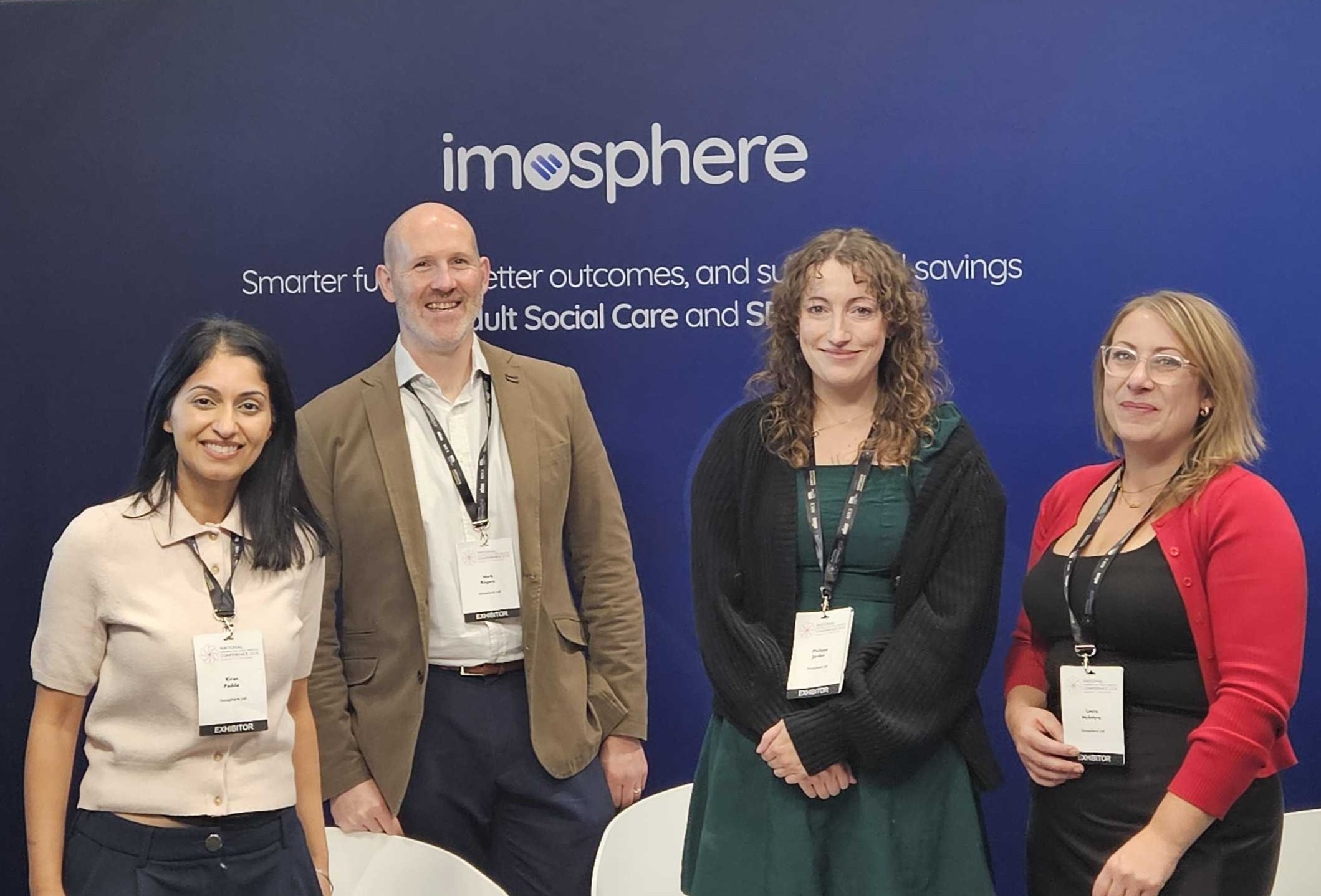
Thank you to everyone who stopped by our stand, shared their experiences, and challenged our thinking. We're already looking forward to continuing those conversations.